
Cheap dopamine is ruining your attention span.Reclaim your deep focus in 3 minutes a day.
No app. No notifications. One paper page that resets your mind before the scroll does.
Get the journal on Amazon
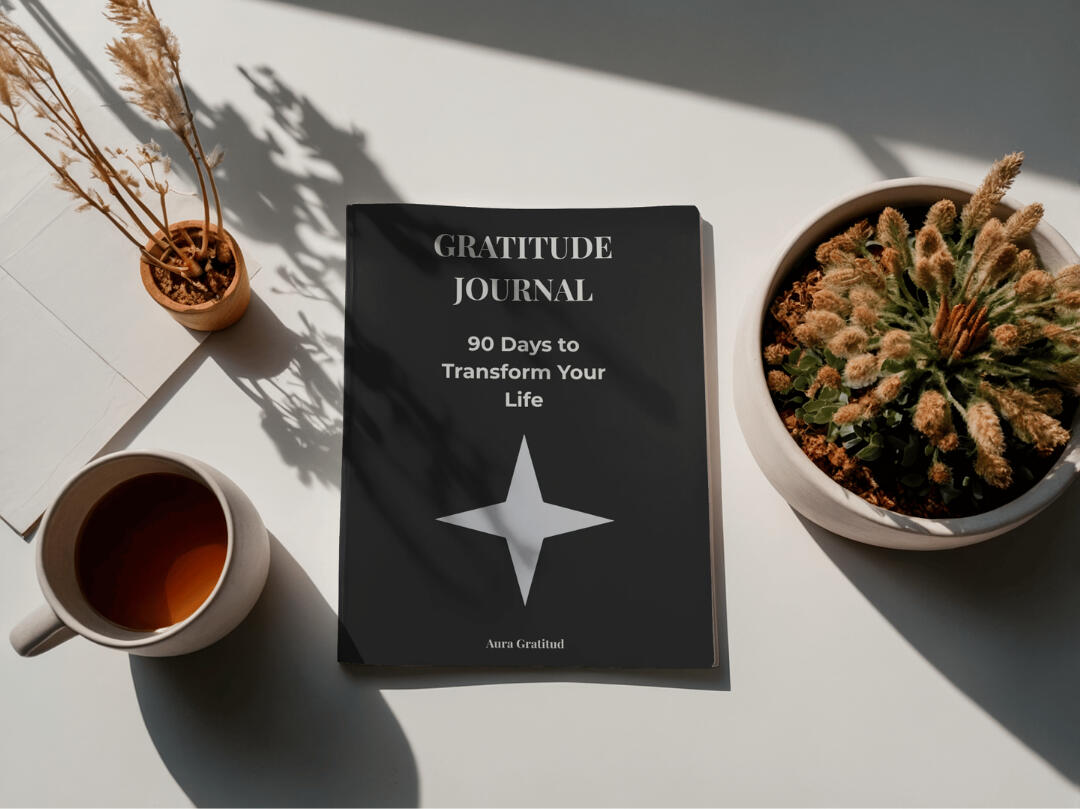
Why your brain rejects deep focus
The 40-minute check
You open your phone to check one thing — and resurface 40 minutes later.
Focus feels painful
Real work feels physically uncomfortable; your brain begs for a new tab.
Perfect or never
You delay the important task because it has to be perfect, so it never starts.
Busy, not productive
Five things at once, none finished — and a growing sense that you can't change.
Every notification, swipe and tab switch delivers a tiny, effortless reward. Your brain learns to prefer them — and slow, meaningful work starts to feel dull by comparison. That's what cheap dopamine steals: not your time, your tolerance for depth.
Multitasking makes it worse. Every switch has a cost: workplace research found it can take over 20 minutes to fully return to an interrupted task. Add perfectionism and fear of failing, and you get paralysis disguised as being busy — until you start believing you simply “can't focus”.
You can't fix a screen problem with another screen. The fastest reset is analog: pen, paper, phone in another room, three minutes. Handwriting slows your mind to a single thread, and naming what you're avoiding strips it of much of its power.
The 3-minute analog start-up
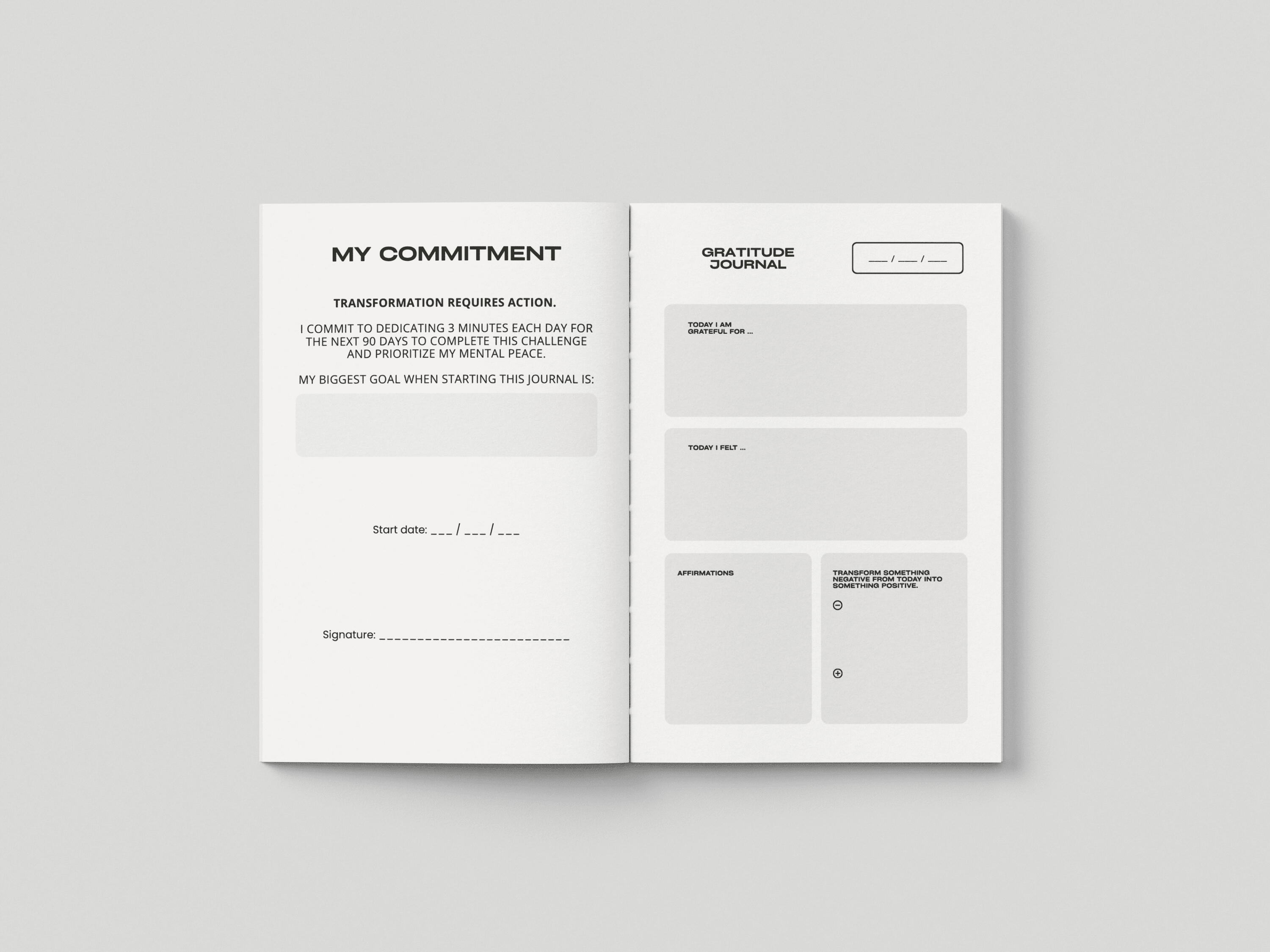
Do this before you open email or social media. Any paper works — the four steps match the four boxes of every page in the 90-Day Gratitude Journal.
Step zero: phone face-down and out of reach. Paper only.Bank wins
Write three things that already went right. Starting from “winning” beats starting from “behind”.
Name resistance
Bored, afraid, overwhelmed? Avoidance loses power the moment you name it.
Shrink it
Write the task you're avoiding. Then shrink it: what's the first two-minute step?
Commit
“Done beats perfect. I start before I feel ready.” Then do the two-minute step.
Cognitive hygiene — not another productivity system
One-Sitting Method
A 180-second start-up protocol that breaks procrastination inertia before it sets in.
Open-Space Design
No elaborate planner, no system to maintain — so there's nothing to procrastinate on.
90-Day Challenge
Attention is trained like a muscle. Ninety reps, one page at a time.
Small pages. A visible change.
Your first analog start. The phone waits; the pen goes first.
The first thing you reach for in the morning is a pen, not your phone.
A protected morning ritual — and 90 pages proving you can start, again and again.
Not another journal you'll abandon
Typical journals
- Blank pages that stare back
- 15–20 minute prompts
- Guilt when you miss a day
- One more thing to perform
The 90-Day Journal
- Four calm, guided boxes
- About 3 minutes
- A fresh page — no streaks
- A private space to unload
Before you decide
Is this a planner?
No. It's a 3-minute mental reset you do before planning or working — it clears the noise so planning actually works.
Is this a dopamine detox?
It's the sustainable version: instead of quitting everything for a weekend, you start each day with a screen-free ritual.
Will it fix ADHD?
No — it isn't a medical treatment. Some people with attention struggles find a short analog routine helpful alongside professional care.
Morning or evening?
Morning as a start-up, or evening as a shutdown ritual so work loops don't follow you to bed.
What exactly is inside?
A 96-page paperback: a short guide to the 3-minute routine, a signed commitment page, 90 identical daily pages (Today I am grateful for · Today I felt · Affirmations · Transform something negative into something positive) and a final reflection to see how far you've come.
Is this a replacement for therapy?
No. It's a personal development tool, not medical or psychological treatment. If you're struggling, please reach out to a qualified professional. Many people use the journal alongside therapy.
Win back your attention — on paper.
Three analog minutes a day. Ninety days of deeper focus.
Get the journal on Amazon